The Experience: Reclaiming Your Body
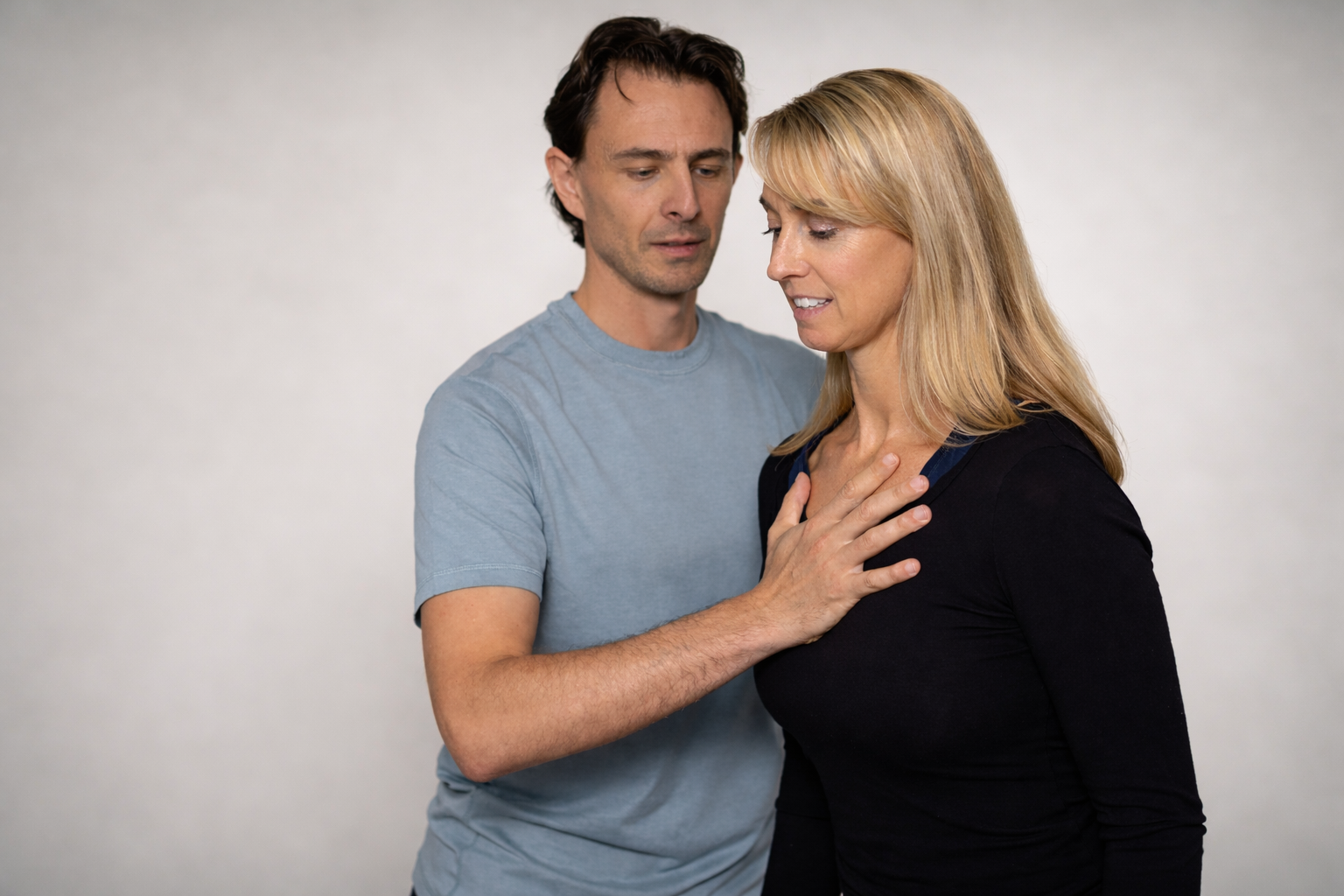
Welcome to The Practice.
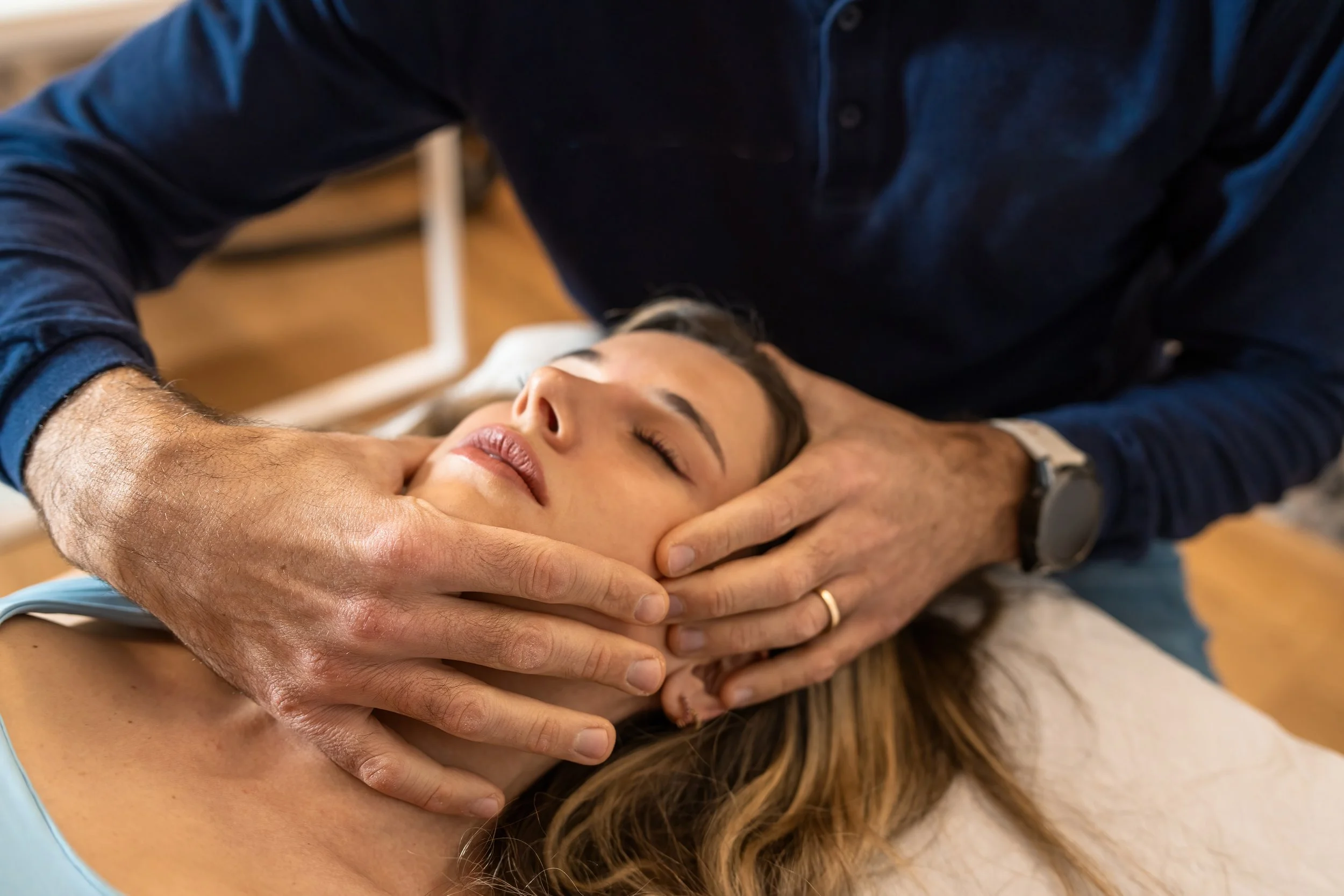
Injury. Surgery. Stress. Accident.
Whatever the reason, your body hurts and you can’t shake it. Or perhaps there was no single event, but your body has simply forgotten the ease it once had. Right now, your physical state is controlling you—it dictates how you sit, move, sleep, work, and enjoy your life.
This is where you move from feeling restricted by your parts to feeling supported by your whole.
Through Structural Integration, you experience a fundamental shift in how you inhabit your own skin. You don't just "fix" a spot; you shift the way your body relates to gravity. The result is a body that feels lighter, movement that feels fluid rather than forced, and a reconnection to the physical agency you thought you’d lost.
The Framework: Anatomy Trains®
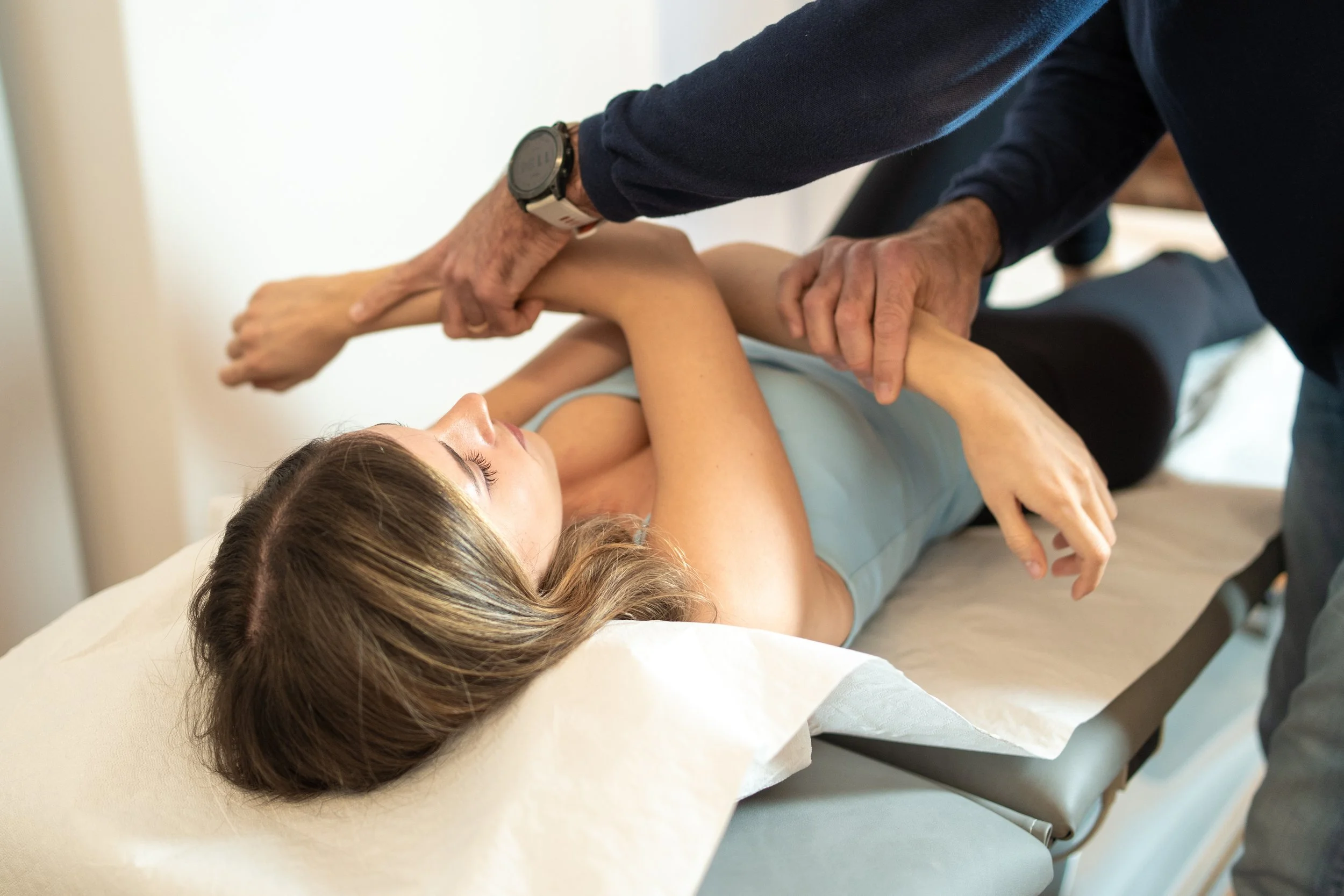
Systemic Anatomy In Motion.
The body is not a collection of 600 separate muscles; it is a single, continuous field of connective tissue (fascia).
My work is anchored in the Anatomy Trains® model, which maps the body’s interconnected pathways of continuity. This model allows us to understand how the fascial system distributes tension and support throughout the body.
These pathways are living relationships, responding moment-to-moment to your environment. By understanding these "meridians," we can track how a restriction in your foot may be the true author of the story in your neck. We don't just look at where it hurts; we look at the systemic map to see why it hurts.
Introduction to Anatomy Trains
Discover how tension travels through the body’s fascial network, revealing the structural relationships that inform posture, performance, and long-term resilience.
The Distinction: Reorganization vs. Relaxation
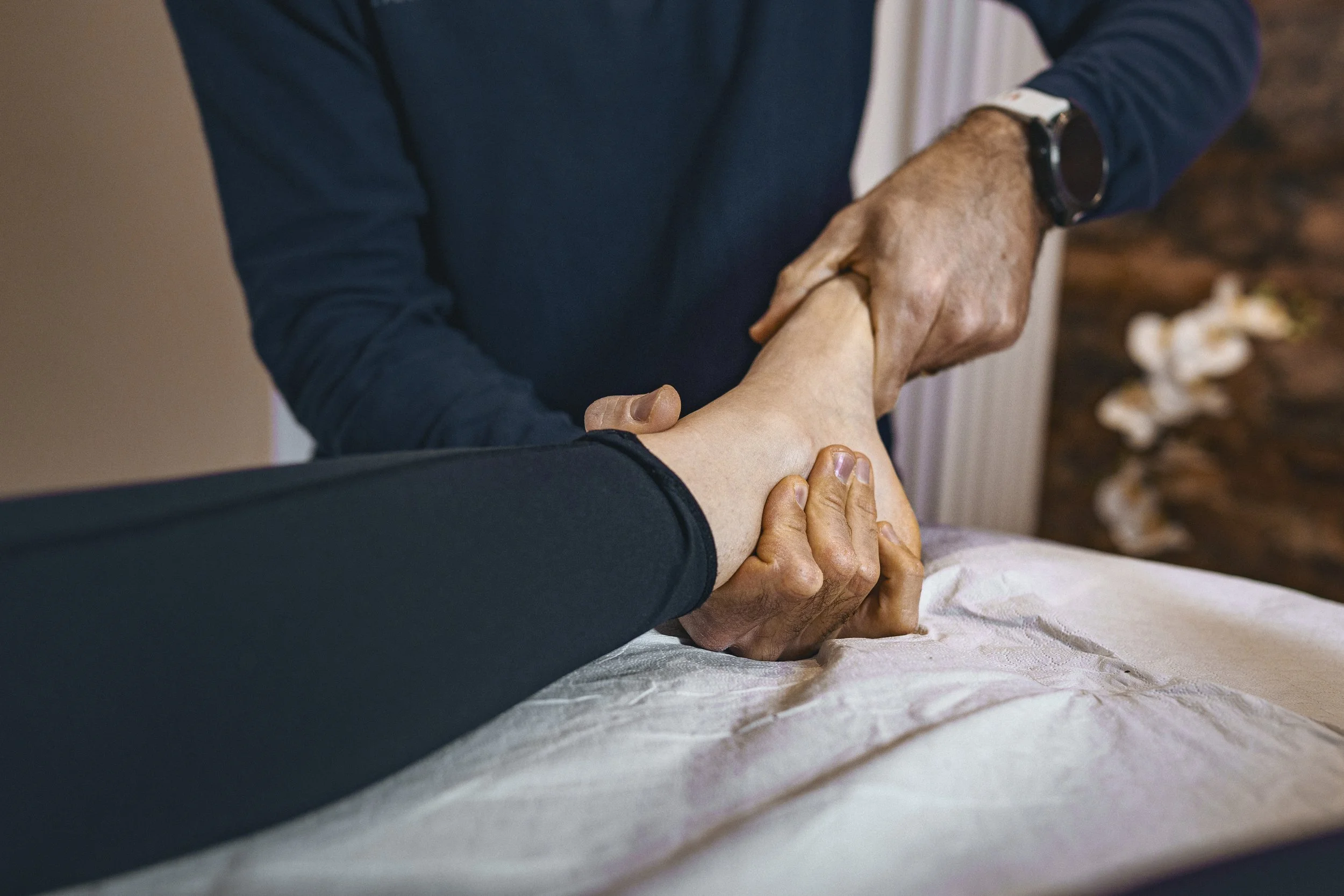
It is helpful to distinguish this work from traditional massage, as the two modalities have very different intentions.
Massage Therapy is an excellent tool for "maintenance". It works primarily with individual muscles to provide immediate relaxation and a temporary reset of the nervous system. It is a passive experience where you receive care to feel more comfortable in your current structure.
Structural Integration is an act of "reorganization." Rather than focusing on muscles in isolation, we work with the fascial web, the body's biological fabric, to create lasting change in your physical architecture. This is an active, collaborative process. We aren't just seeking to make your current structure feel better; we are seeking to offer you an entirely new structure that moves with efficiency and grace.
The Foundation: Mastery in Motion
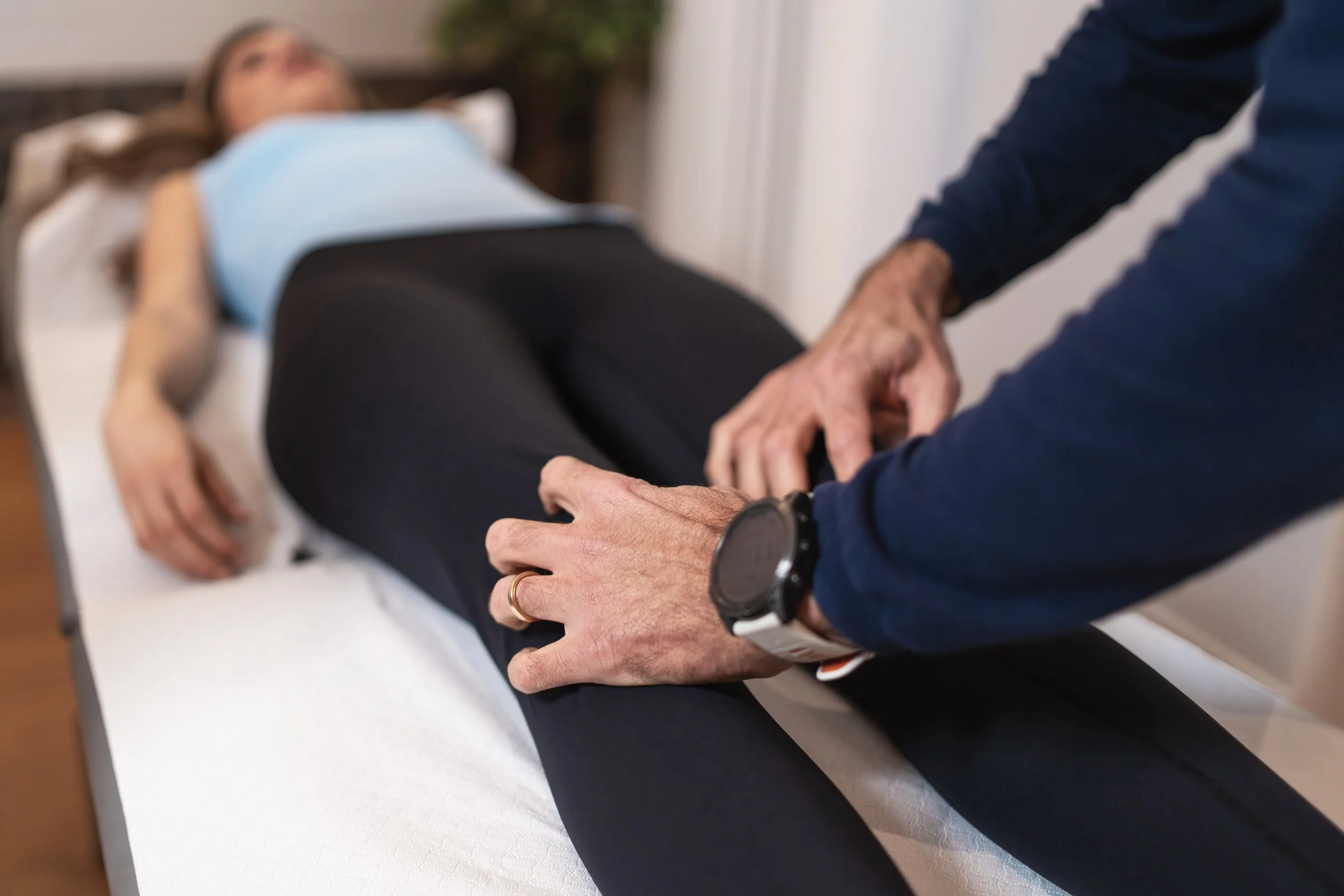
My perspective is forged as a professional ballroom dancer. In high-level ballroom dancing, body organization is not an aesthetic choice, it is a functional necessity for balance, power, and responsiveness.
I bring this acute, moment-to-moment sensing to my clinical work. I view the body’s organization as a continuous dialogue that extends into your daily life. Whether you are navigating a workspace or a dance floor, we work to sharpen your internal sensing, making every interaction more effortless.
Integration Beyond the Table
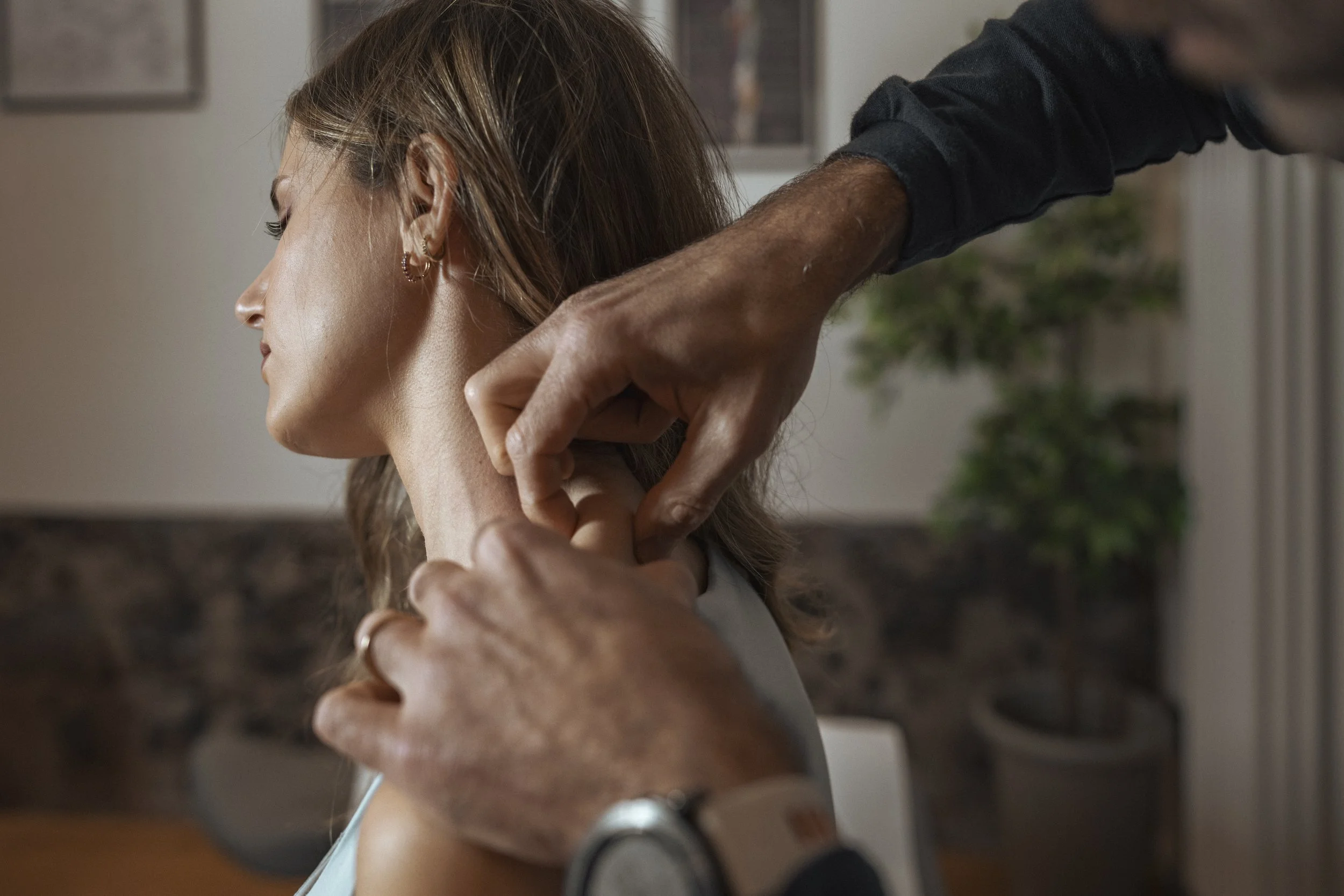
Structural change does not end when the session ends.
Work on the table creates new options in your body, but those options must be experienced, practiced, and embodied in movement.
Integration beyond the table is where structural change becomes lived change.
As your structure shifts, we begin exploring how those changes express themselves in motion. This may include:
Walking refinement and gait awareness
Running mechanics
Dance-based movement exploration
Movement sequencing and coordination
Individualized movement coaching
Structural integration creates capacity. Movement integration helps you inhabit it.
For some clients, this phase becomes the most creative and rewarding part of the work, where curiosity replaces compensation and movement becomes exploratory rather than protective.
This movement-focused work is available both during and after completion of the Structural Integration series.
Lineage & Clinical Mentorship
Advanced Training: My work is developed through direct study with Tom Myers and is rooted in the lineage of Structural Integration established by Ida Rolf, PhD. Serving on the teacher training track for the Anatomy Trains school involves traveling throughout the United States to assist in workshops, mentor emerging practitioners, and support ongoing professional education at an advanced level.
Living Inquiry: This commitment to rigorous education ensures that your sessions are grounded in the most sophisticated and responsive structural methodology available today. The work continues to evolve through the Anatomy Trains system, reflecting a continual process of refinement, integration, and hands-on exploration within a living professional community.
Learn more about Anatomy Trains® Structural Integration.