Born in Ukraine, my relationship with movement began early. At six years old, I joined a Ukrainian folk-dance ensemble and was immediately drawn to rhythm, coordination, and storytelling through the body.
When my family moved to Israel at age ten, that curiosity expanded into ballroom dance. By sixteen, I had relocated to Philadelphia and was immersed in the competitive ballroom world, traveling across North America and learning what it meant to live inside high-performance movement.
A Shift in Perspective
Years of elite training taught me something important: effort and talent alone aren’t sustainable without supportive mechanics.
As the demands on my body increased, so did my curiosity. I began exploring biomechanics, Anatomy Trains® Structural Integration, and the work of Erik Franklin—not to fix movement, but to better understand it.
This shift from doing movement to studying structure fundamentally changed how I relate to the body.
My Approach to Care
Today, I bring my background as a dancer and athlete into a Structural Integration practice rooted in observation, organization, and exploration.
I believe the way we inhabit our structure shapes how we experience life: how we move, breathe, recover, and adapt. By combining hands-on structural work with a movement-informed perspective, I help clients explore new options in their bodies and develop greater resilience over time.
My Work Focuses on:
From the Stage to the Study of Structure
-
Supporting the body’s fascial system to reorganize toward balance and ease, creating more sustainable alignment and long-term structural support
-
Improving how the body relates to gravity, rather than fighting it, allowing standing and movement to feel more supported, efficient, and effortless
-
Helping dense or tethered tissue regain glide and relationship with the rest of the system, restoring continuity and reducing compensatory strain patterns
-
Reducing unnecessary strain and opening up new movement possibilities through biomechanics, coordination, and improved structural communication throughout the body
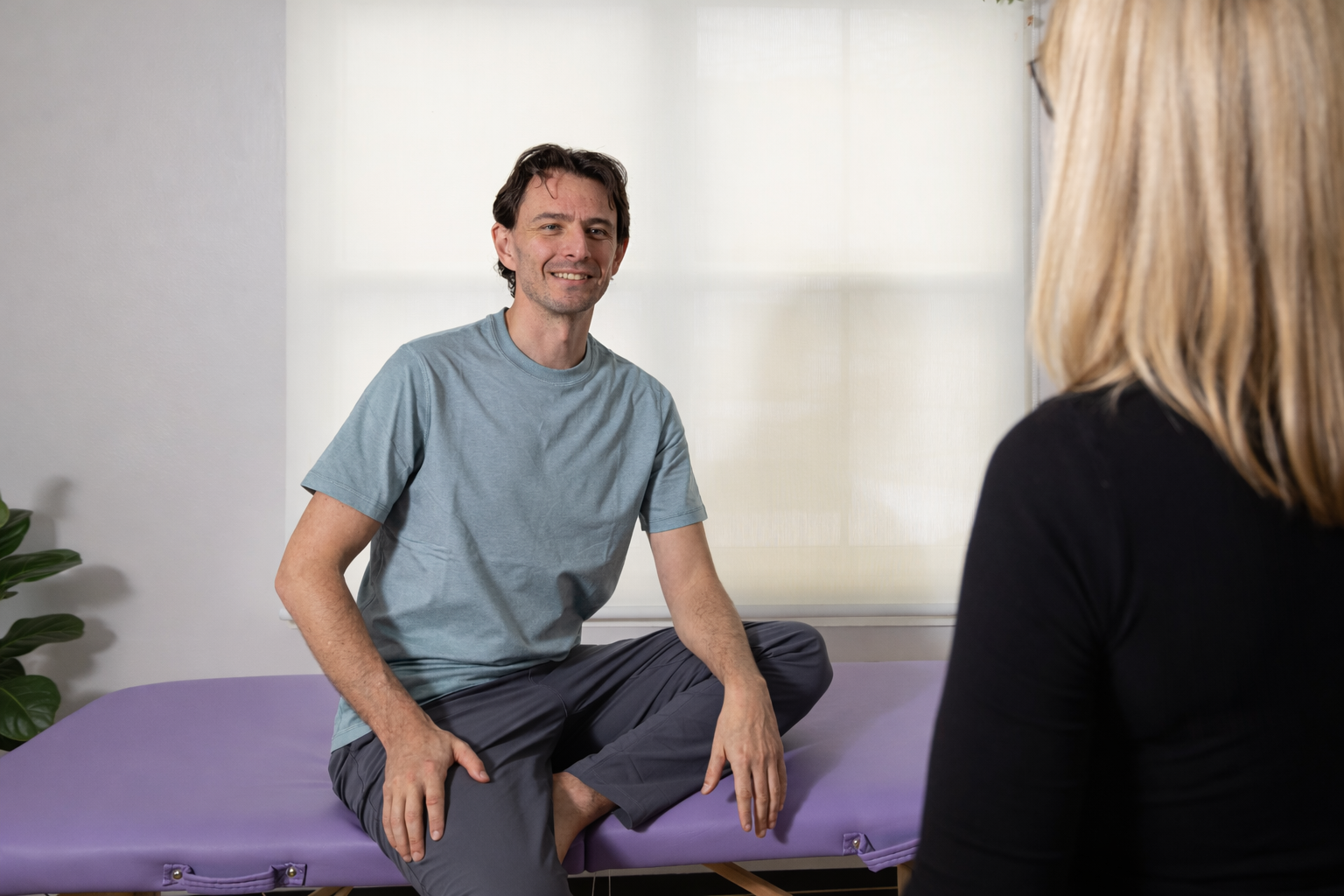
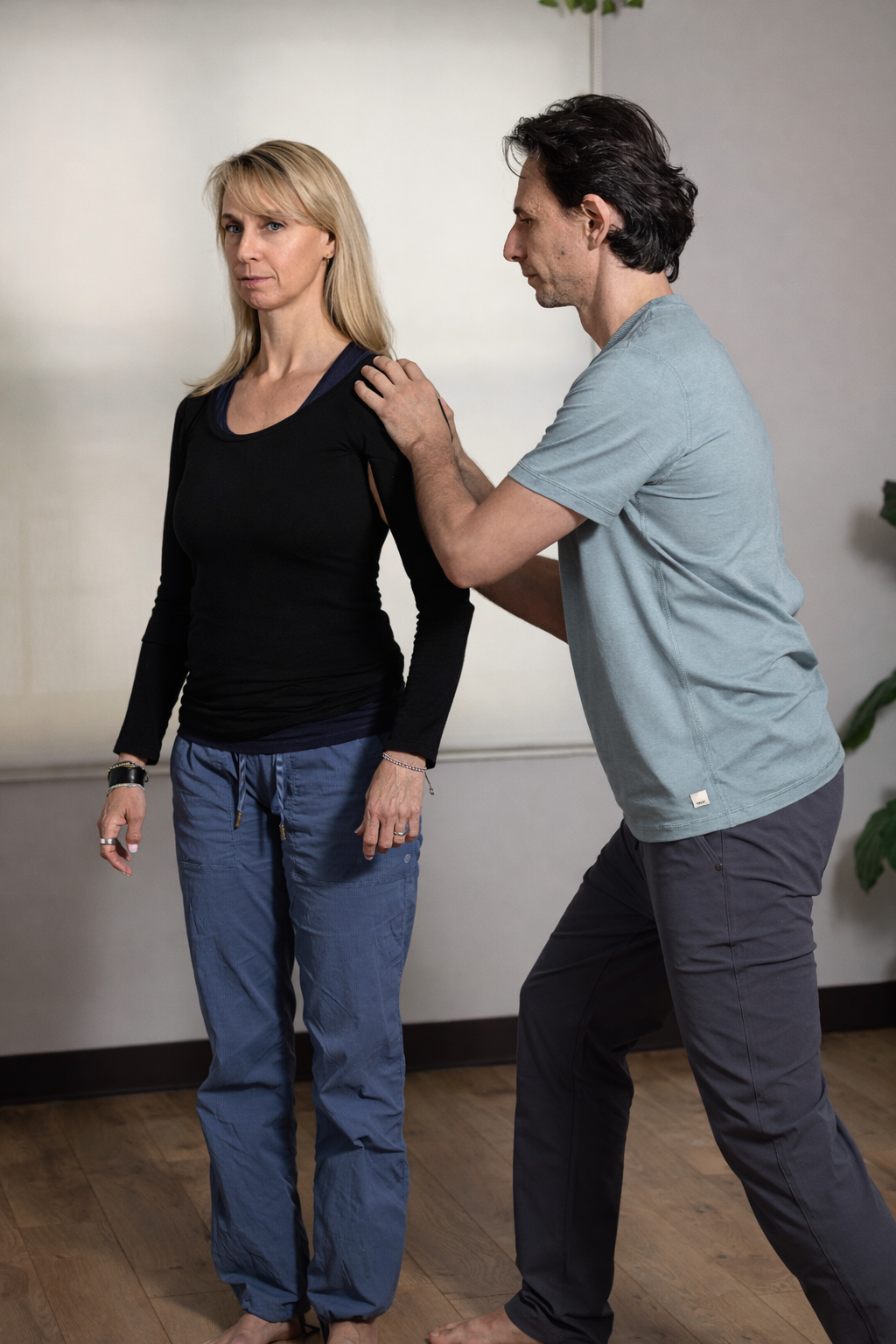
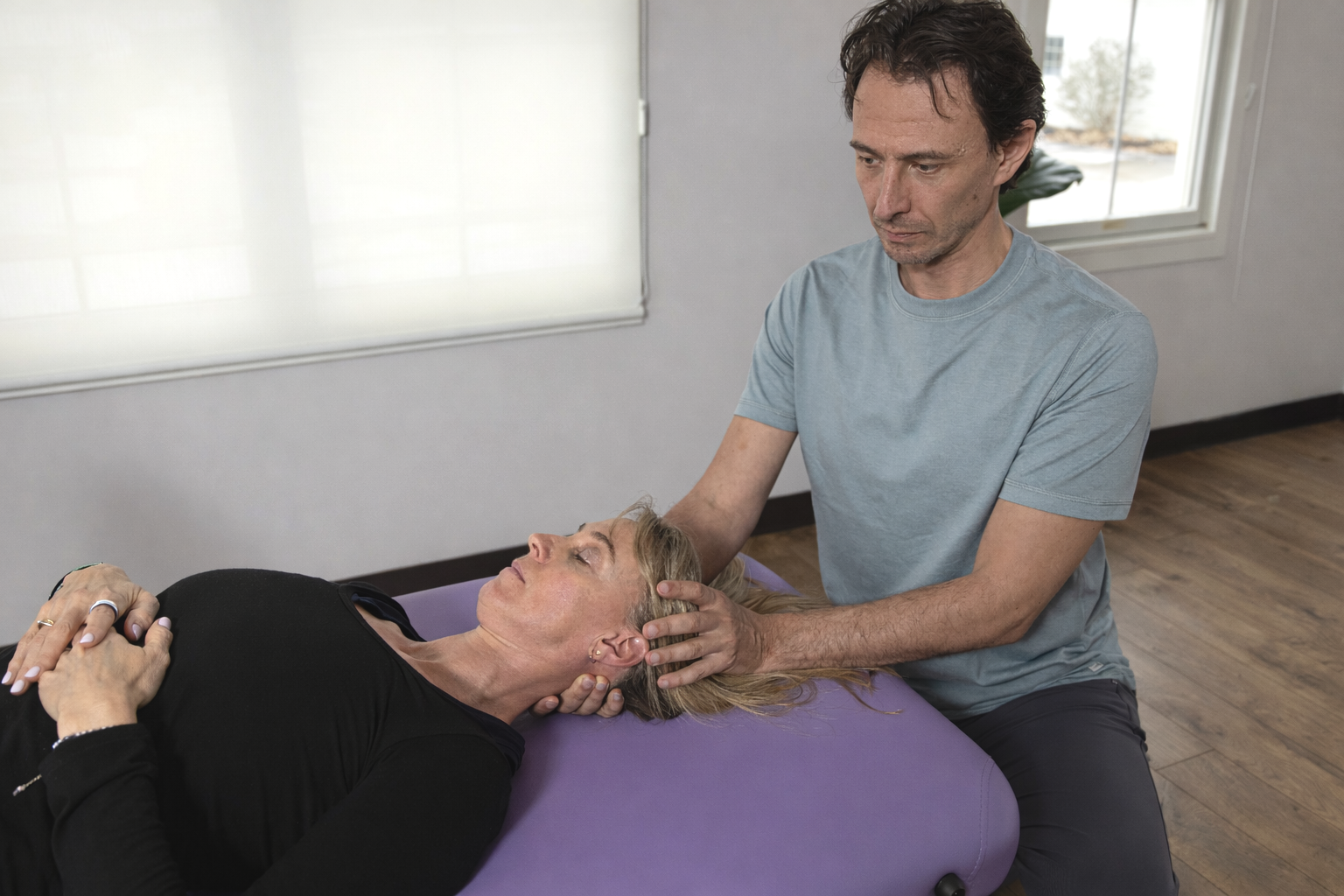
What Sets Ros Apart
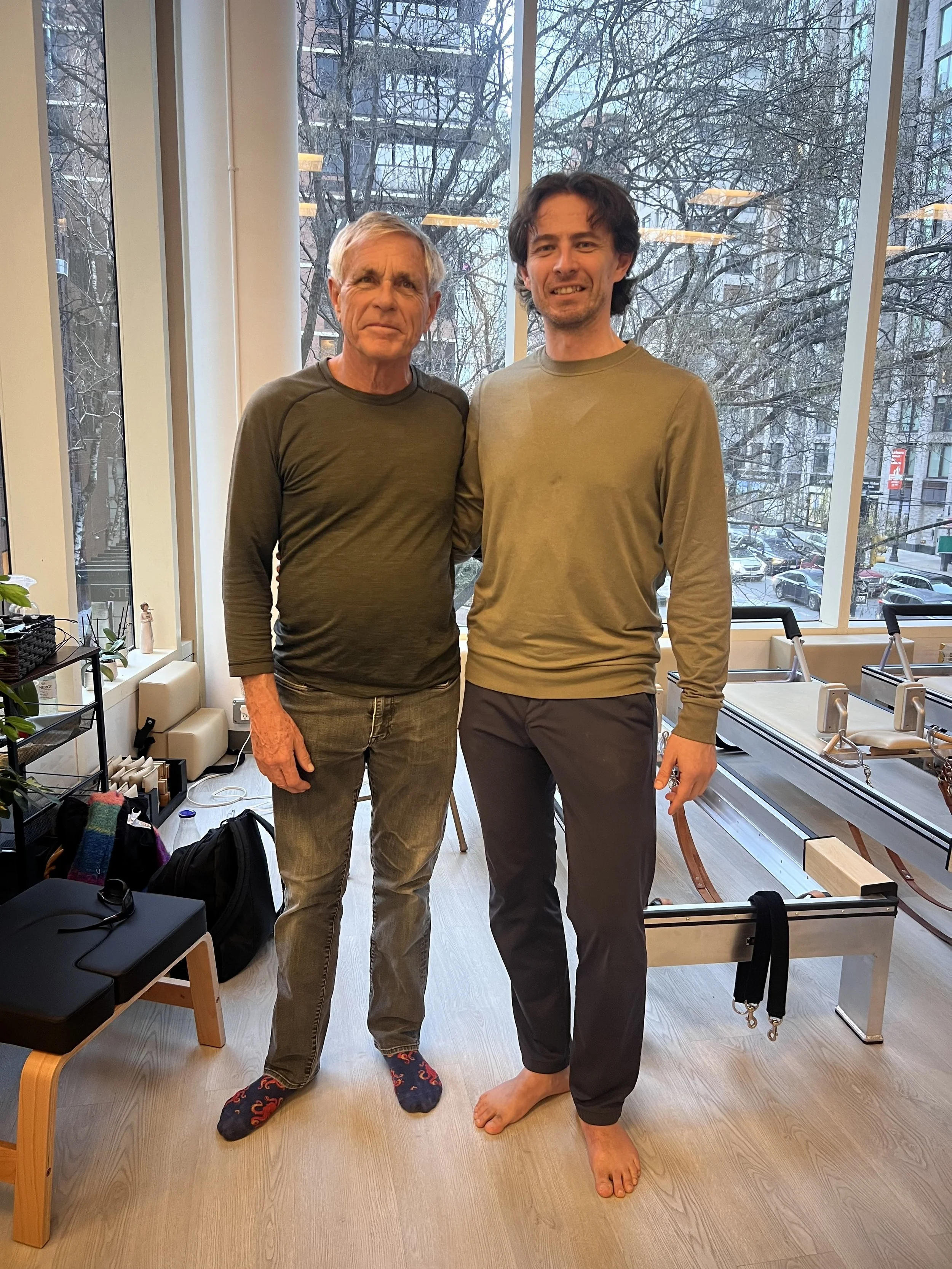
Tom Myers with RosRos approaches each session with curiosity, care, and deep respect for the body’s intelligence. There is no set script or agenda. He listens first, through touch, movement, and conversation, and lets the work unfold based on what your body is ready for that day. The goal is not to fix you, but to support meaningful, lasting change in how you move and feel.
-
Every session starts with observing and listening. Ros takes time to understand your body, your history, and what brought you in, then works responsively rather than following a preset routine. Your body sets the pace and direction of the work.
-
Ros combines deep anatomical knowledge with a refined sensitivity developed through hands-on practice. Touch is precise, respectful, and intentional, supporting real change without forcing or overwhelming the system.
-
Rather than focusing on one symptom or area, Ros looks at how your entire body is organized and moving together. This approach helps address the underlying patterns that influence pain, posture, and efficiency.
-
The work is designed to create shifts that last rather than solving a problem. Sessions often include simple awareness or movement insights you can carry into daily life, supporting continued progress beyond the table.
-
Structural patterns often reflect adaptive responses to stress, injury, or life experience. Ros approaches this work with respect for those adaptations. Sessions unfold at a pace your system can integrate, with attention to safety, consent, and the body’s capacity for change. The intention is not to force release, but to support reorganization in a way that feels stable and grounded.
Client Reflections